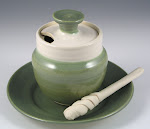
Many metaphorical hats are rotated on this potter's non-metaphorical head.
The John Deere-type cap: That's good for the heavy lifting and mixing parts. That's where I bring home the raw materials, mix the glazes from recipes acquired over time, plan the ware, make it from lumps of clay.
How quickly that last sentence was typed. How slowly the process occurs to get me there. "How long does it take you to make that?" "24 years so far, and 40 minutes."
A bandanna: Load the kiln. Bisque fire, unload, apply glaze, reload and glaze-fire the pottery. Time to glaze and load: over the course of a couple of days. Gradual heat up, slow cool down: about one day.
Factory hairnet: Sort good pots from seconds. Mostly they are decent pots, for which I am grateful.
Just a headband to keep my curls off my face: Photograph the pots for the web site. I have a pro photo setup now as I gradually learn the ropes with my digital camera settings, backdrop and lights.
Pith helmet: Edit photos in iPhoto or Photoshop to compensate for inexact lighting, crooked framing of the shot, dust on the backdrop, etc. Very cool. This is for allowing the pots to look as they really do, not for faking perfection. It's a jungle among the photo options.
Thinking cap: Selling a 3-D thing in a 2-D medium is a challenge. I have to compensate with words for the lack of touchability. So I write out descriptions & sizes for the web site visitors.
Old-time accountant's eyeshade: Price the pots- not too low to justify the time and cost of making them, not too high so as to discourage purchasers. Trial and error applies here wherever experience doesn't cover.
Mailman's hat (they really used to wear those): Send the photos to my web builder to upload to the web site, which is still developing.
Everything takes so long. People are asking to see the pottery and the site is not ready. Web-a-Deb and I are working on it. Hope the people will come back when it is ready.
Businesslike chic hat, think Audrey Hepburn, 1950's: Send photos to people requesting pottery. Thankfully, there are some of these people around.
Just a pen behind my ear, like an adman, which isn't really a hat, but an accoutrement nonetheless: Think how to promote the web site.
Creative, colorful kerchief with funky colors: Meanwhile, put pots on Etsy.com, under the categories of pottery, stoneware, ceramics (largely redundant), handmade, and Judaica, in the hope of cultivating a market.
http://www.etsy.com/shop/mimistadlerpottery
How many hats can I wear? Plenty!
Can I wear 'em all well? Not always. Juggling a little slowly the last few years, and it ain't because of middle age. It's that the constant changing of many hats wears me down. Now it's back to the glazing board and back on the wheel for the next making-cycle Monday. On with the John Deere tractor cap!
Sunday, November 29, 2009


Tuesday, November 24, 2009
Tapping Into Another Plane of Consciousness
Released (Distracted)
Slipping under my hands
Away from me, failing-
I couldn't throw pots in the morning
With the same clay I've used for years.
After I came back from a break
Sat again at the wheel
An old drawing of my childhood bedroom
Catching my eye, held my speculation.
Gazing, and musing, other thoughts,
I made piece after piece without thinking.
Slipping under my hands
Away from me, failing-
I couldn't throw pots in the morning
With the same clay I've used for years.
After I came back from a break
Sat again at the wheel
An old drawing of my childhood bedroom
Catching my eye, held my speculation.
Gazing, and musing, other thoughts,
I made piece after piece without thinking.
Tuesday, November 17, 2009
Good Enough
Opened another glaze kiln this week, and it was good. No uglies except two previous blistered pots I was refiring in the hope of improving their surfaces.
Pot drop time for those. (Concrete floor.)
The rest worked. This may sound like nothing momentous.
It is, though.
After two dozen years of figuring it out, my work is at a good place.
There will always be new challenges, but for now...
Web site is in restructure phase and will be up and retail within a week.
Purchase buttons and Paypal are moving into place.
All to no avail if the pottery isn’t good enough.
Oh, my. It’s good enough. There is no perfect, but if there were I would be insane.
Good enough is so good.
Pot drop time for those. (Concrete floor.)
The rest worked. This may sound like nothing momentous.
It is, though.
After two dozen years of figuring it out, my work is at a good place.
There will always be new challenges, but for now...
Web site is in restructure phase and will be up and retail within a week.
Purchase buttons and Paypal are moving into place.
All to no avail if the pottery isn’t good enough.
Oh, my. It’s good enough. There is no perfect, but if there were I would be insane.
Good enough is so good.
Monday, November 9, 2009
Early Wind in Bar Harbor
Writing! If you have never been to Shore Path Cottage, a B&B on the coast of Maine in Bar Harbor, you may be missing one of the best places in the world to write.
I went up from New Jersey for a few days with my friend Nancy, at the invitation of our friend Roberta Chester, who owns and operates this kosher B&B. Roberta is a published poet and essayist. When not baking muffins and cakes, cookies and popovers, between phone calls and chores for the B&B, she writes.
We wrote on and off all day Thursday and half the day Friday, and met long after dark on Saturday to share what we were working on. Critiques ensued, then, as a result, more writing. Nicola, from England, had been renting the on-grounds tiny house and had just finished her mystery novel. She joined us and we shared readings and more critiques. The air in Roberta's kitchen was crackling with insights and discussion.
Now I am back home, continuing to work on Home on the Turnpike, which is going into its third revision at least. It is a memoir. It needs changing, from a literal travelogue through the house we grew up in, to a livelier personal memoir. This project is a slow and steady building, now given a boost and cranked up a notch.
The ocean beside the house; the chickadees hanging upside down in a spruce, foraging in pine cones outside my window; the incredible breakfast cake made with lemons and butter; wi fi all over the B&B; the reading, writing and critiquing; all served to calm and focus me as I wrote and wrote. Here is an old-timey sort of poem, extremely traditional in construction in honor of this old-time place, that I wrote for Roberta:
I went up from New Jersey for a few days with my friend Nancy, at the invitation of our friend Roberta Chester, who owns and operates this kosher B&B. Roberta is a published poet and essayist. When not baking muffins and cakes, cookies and popovers, between phone calls and chores for the B&B, she writes.
We wrote on and off all day Thursday and half the day Friday, and met long after dark on Saturday to share what we were working on. Critiques ensued, then, as a result, more writing. Nicola, from England, had been renting the on-grounds tiny house and had just finished her mystery novel. She joined us and we shared readings and more critiques. The air in Roberta's kitchen was crackling with insights and discussion.
Now I am back home, continuing to work on Home on the Turnpike, which is going into its third revision at least. It is a memoir. It needs changing, from a literal travelogue through the house we grew up in, to a livelier personal memoir. This project is a slow and steady building, now given a boost and cranked up a notch.
The ocean beside the house; the chickadees hanging upside down in a spruce, foraging in pine cones outside my window; the incredible breakfast cake made with lemons and butter; wi fi all over the B&B; the reading, writing and critiquing; all served to calm and focus me as I wrote and wrote. Here is an old-timey sort of poem, extremely traditional in construction in honor of this old-time place, that I wrote for Roberta:
Early Wind In Bar Harbor
The wind in cahoots in the waking of me
With the windowframe loose in my room by the sea
Lets me sleep just enough, my last night here
To almost rest before it re-rattles my ear.
It is not I alone it strives to waken,
My window and all the old others are shaken-
The wind has to try and pry off the leaves
In preparing the shore for its first hard freeze;
No one is spared whose windows are loose.
One hundred and thirty winters of wind
Have rocked at the panes and wood shingle trim
Of this strong-hearted lady the great fire did not eat.
Her windows, in summer, breeze her through heat.
Her blue and white frame, like an August cornflower’s
Persists summercolored November’s rough hours,
Welcomes guests, in season, to stop in her beds,
Who hike the great Park before resting their heads.
Her ladylike pillows are trimmed in white lace.
She reminds me that I am friend, not guest,
Shakes her windows to wake me at the wind’s behest.
I am friend who came here with words to spin,
Invited to write by chatelaine of this inn.
A last few couplets of rhyme for me,
Formal bow to the inn’s propriety,
Mindful of going home this morning-
And now the light over the sea is dawning.
Thursday, October 15, 2009
So This Potter Walks into a Simon Leach Workshop...
It's 10 degrees cooler than NJ in Barryville, NY where the potter Simon Leach (yes, I've mentioned him previously) is set up temporarily, and where I spent yesterday and the day before.
(Here is Simon showing us the basics of throwing a cylinder:)

This is an autumn in the Catskills experience. Water in the pail got cold in mid-October in the not-especially-heated studio. The clay was cold to start with, though it warmed up as I worked it. The seat of the kickwheel I used has a rug on it so was thankfully not cold. And the artist giving the workshop was Simon Leach, who, with the help of coffee, pottery demonstrations, advice, camaraderie and the occasional cigarette, was warm.
When is a workshop more than a workshop? When participants were limited to three and quality time was just that. When Michal from California and Bob from Narrowsburg, NY were working as I was, doing the same task at the same time, finding our ways with clay in a new place for a brief period. When the potter giving the workshop was a pottery daddy of clay today, teaching the pottery children who arrive in little groups, like hippies to Haight-Ashbury, to watch and learn from a potter they know through his videos. (See sleachpots channel on YouTube, people- Simon is about to reach the 500-video mark while regular viewers wait impatiently for him to get down to it. Oh, the pressures of clay celebrityhood.)
I gained.
Did I already know that anything to be done well is a challenge? Yes. Mom used to say that anything worth doing is worth doing well.
-That potters enjoy the company of other potters? Yes.
-That an unfamiliar wheel takes adapting to, that unfamiliar clay may have more scratchy bits in it than the hand is accustomed to, that not every pot is going to be a winner? Knew that.
Did I know I would struggle with forms I believed I knew, which now needed to become suddenly and significantly better? Had an inkling.
What did I learn, then, that I didn't know before? Quantified, these things will seem small. Taken together, they are more than the sum of their parts. There's this: While wedging (kneading) the clay to unify firmish and softish bits, and remove air bubbles, don't push the whole wad of clay around as I have done for the last 24 years, as it will tire you unnecessarily. Push it by its little tail end, and all will come around again bit by bit, nicely kneaded. (Both ways will warm a cold potter considerably.)
This: Pushing in outside the foot of the pot, while throwing, creates a ridge inside the pot that is a nice bit by which to pull the pot upward, reduce its visual and physical weight, and slim the foot. Simon showed me.
This: Throwing the same form, over and over to the same shape and size, is a powerful exercise towards becoming a good potter. I have been missing this practical approach in my day-to-day, making one-of-a-kinds. It is one thing to know this, and quite another to really 'repeat throw'.
This: A chopstick set into place in a wad of clay on the wheel table will mark the spot where I want to bring the width and height of a pot- a gauge to repeat throw to specifications. Knew this before, but ignored it. Mistake.
This: The continuous curve in the interior of a bowl makes or breaks the piece; subjectively, a line where wall meets floor creates a catch-spot for your spoon; objectively, a bowl with a curved interior makes my spirit roll with joy like a happy mutt in the grass. Explain this? Can't. Only know that care with small details makes big changes in the soul of a piece. Or does the following explain it-? Function that is well-considered in the making is also beautiful. Or this- There are no small details-?
In any case, I have some bisqued bowls that are now going to become flower pots, where spoons don't matter and you can't see the broken curve inside.
This: "Titivate" does not mean "potchke," it means make the small corrections that will finish a process nicely.
Or this: I really can put in 8-hour days, and should.
Getting to it, then, the richer for yesterday and the day before. Thanks, Simon Leach and my fellow workshoppers. (-Sorry no photos of us working, but we recycled all the pots we made into nice large reusable lumps.)
(Here is Simon showing us the basics of throwing a cylinder:)
This is an autumn in the Catskills experience. Water in the pail got cold in mid-October in the not-especially-heated studio. The clay was cold to start with, though it warmed up as I worked it. The seat of the kickwheel I used has a rug on it so was thankfully not cold. And the artist giving the workshop was Simon Leach, who, with the help of coffee, pottery demonstrations, advice, camaraderie and the occasional cigarette, was warm.
When is a workshop more than a workshop? When participants were limited to three and quality time was just that. When Michal from California and Bob from Narrowsburg, NY were working as I was, doing the same task at the same time, finding our ways with clay in a new place for a brief period. When the potter giving the workshop was a pottery daddy of clay today, teaching the pottery children who arrive in little groups, like hippies to Haight-Ashbury, to watch and learn from a potter they know through his videos. (See sleachpots channel on YouTube, people- Simon is about to reach the 500-video mark while regular viewers wait impatiently for him to get down to it. Oh, the pressures of clay celebrityhood.)
I gained.
Did I already know that anything to be done well is a challenge? Yes. Mom used to say that anything worth doing is worth doing well.
-That potters enjoy the company of other potters? Yes.
-That an unfamiliar wheel takes adapting to, that unfamiliar clay may have more scratchy bits in it than the hand is accustomed to, that not every pot is going to be a winner? Knew that.
Did I know I would struggle with forms I believed I knew, which now needed to become suddenly and significantly better? Had an inkling.
What did I learn, then, that I didn't know before? Quantified, these things will seem small. Taken together, they are more than the sum of their parts. There's this: While wedging (kneading) the clay to unify firmish and softish bits, and remove air bubbles, don't push the whole wad of clay around as I have done for the last 24 years, as it will tire you unnecessarily. Push it by its little tail end, and all will come around again bit by bit, nicely kneaded. (Both ways will warm a cold potter considerably.)
This: Pushing in outside the foot of the pot, while throwing, creates a ridge inside the pot that is a nice bit by which to pull the pot upward, reduce its visual and physical weight, and slim the foot. Simon showed me.
This: Throwing the same form, over and over to the same shape and size, is a powerful exercise towards becoming a good potter. I have been missing this practical approach in my day-to-day, making one-of-a-kinds. It is one thing to know this, and quite another to really 'repeat throw'.
This: A chopstick set into place in a wad of clay on the wheel table will mark the spot where I want to bring the width and height of a pot- a gauge to repeat throw to specifications. Knew this before, but ignored it. Mistake.
This: The continuous curve in the interior of a bowl makes or breaks the piece; subjectively, a line where wall meets floor creates a catch-spot for your spoon; objectively, a bowl with a curved interior makes my spirit roll with joy like a happy mutt in the grass. Explain this? Can't. Only know that care with small details makes big changes in the soul of a piece. Or does the following explain it-? Function that is well-considered in the making is also beautiful. Or this- There are no small details-?
In any case, I have some bisqued bowls that are now going to become flower pots, where spoons don't matter and you can't see the broken curve inside.
This: "Titivate" does not mean "potchke," it means make the small corrections that will finish a process nicely.
Or this: I really can put in 8-hour days, and should.
Getting to it, then, the richer for yesterday and the day before. Thanks, Simon Leach and my fellow workshoppers. (-Sorry no photos of us working, but we recycled all the pots we made into nice large reusable lumps.)
Thursday, October 8, 2009
Once Upon a Time There Was a Sculpture
Once upon a time in the life of a potter there came an opportunity knocking.
“We are new head counselors in a special summer place for kids,” said two nice people whom the potter knew,“ and there is an empty room in this special place where it looks like pottery was made a long time ago. Would you come and do your thing there with the special children?”
The potter had an inkling that this really was an opportunity, but she was not sure. Many of the special children were sick. She thought their being sick might make her too sad. “I will come look at it,” she said.
The room was small but the potter liked it. She decided to try to teach the special children pottery there.
But the potter had never taught children before, whether well or sick. ‘I will take this job for this one year,’ she thought, ‘and I will see if I can really do it right.' The potter discovered that the special kids were children like her own children. They danced and sang, they got silly or tired or cranky or creative like her own children. Some of them were not feeling too well and sat down a lot. Some were very sick indeed. This is what made them “special” at the camp. But the potter discovered something.
The children had fun with the clay! They had fun with the potter, and she with them! They made skulls and plaques and hearts. They made pencil jars and ceramic fruit, and something that two of them called “devil chickens.” They made things from their hearts and imaginations. The potter loved it all. She learned to work fast and teach clearly. She discovered that the hard job was a pleasure because she loved working with the kids.
Her second summer, she made a tag out of clay to sew onto her baseball cap. It read “Mrs. Pottery Head.”
The children knew her as “Mrs. Pots” or “Mrs. Pot Lady," or by the name on the tag on her hat. The potter considered it a badge of honor to be known this way. Some knew her as Mimi since, coincidentally, she had the same name as the author of this story.
Each year certain of the children came back to the special summer place. The potter got to know these children pretty well and became especially fond of them. After the summer, the special summer place lived all year in the potter’s heart.
After eight summers, for reasons which were not her fault and which are too silly to put into this story, the potter could no longer work in the special summer place.
What could she do about her sense of loss that she could no longer work with the children? The potter decided to go to school. There in a room with a very fine sculpture teacher, the potter began moving clay around in a new way. After months of practice, and time spent looking at the many photographs she had taken of the children and events over the years at the special summer place, the potter began a sculpture that would make her feel better.
One day in the special summer place, she had taken a picture of two boys sitting on chairs in the grass, playing a djembe (which is a fancy name for an African drum) between them. One boy was a counselor, age 21, the other boy a camper, age 20, who had lost his leg to a bad sickness. The boy with one leg was well now. He was the owner of the drum. He tended to have an outstanding joy in life, which at that moment propelled his hands over the instrument. He was teaching his counselor to drum.

Now the potter worked and worked to sculpt the moment captured in the photo. She tried very hard to show the healing that comes about from making music for the world around us. She realized right away that it was the same joy that comes from teaching pottery to children. She knew it was the same joy all people can find inside themselves when they reach down inside and try.
The potter worked for 50 hours over the course of many weeks until the sculpture was finished. Carving and adding and subtracting the clay became a dance of motion for her. She was completely absorbed in the moment of drum play, for all those many hours. When she was done at last, she had a permanent reminder of the strength and healing power of creative effort- the injured boy's, and her own. She felt much, much better.
She named the sculpture Expressive Healing.

(...and the view from the other side:)

“We are new head counselors in a special summer place for kids,” said two nice people whom the potter knew,“ and there is an empty room in this special place where it looks like pottery was made a long time ago. Would you come and do your thing there with the special children?”
The potter had an inkling that this really was an opportunity, but she was not sure. Many of the special children were sick. She thought their being sick might make her too sad. “I will come look at it,” she said.
The room was small but the potter liked it. She decided to try to teach the special children pottery there.
But the potter had never taught children before, whether well or sick. ‘I will take this job for this one year,’ she thought, ‘and I will see if I can really do it right.' The potter discovered that the special kids were children like her own children. They danced and sang, they got silly or tired or cranky or creative like her own children. Some of them were not feeling too well and sat down a lot. Some were very sick indeed. This is what made them “special” at the camp. But the potter discovered something.
The children had fun with the clay! They had fun with the potter, and she with them! They made skulls and plaques and hearts. They made pencil jars and ceramic fruit, and something that two of them called “devil chickens.” They made things from their hearts and imaginations. The potter loved it all. She learned to work fast and teach clearly. She discovered that the hard job was a pleasure because she loved working with the kids.
Her second summer, she made a tag out of clay to sew onto her baseball cap. It read “Mrs. Pottery Head.”
The children knew her as “Mrs. Pots” or “Mrs. Pot Lady," or by the name on the tag on her hat. The potter considered it a badge of honor to be known this way. Some knew her as Mimi since, coincidentally, she had the same name as the author of this story.
Each year certain of the children came back to the special summer place. The potter got to know these children pretty well and became especially fond of them. After the summer, the special summer place lived all year in the potter’s heart.
After eight summers, for reasons which were not her fault and which are too silly to put into this story, the potter could no longer work in the special summer place.
What could she do about her sense of loss that she could no longer work with the children? The potter decided to go to school. There in a room with a very fine sculpture teacher, the potter began moving clay around in a new way. After months of practice, and time spent looking at the many photographs she had taken of the children and events over the years at the special summer place, the potter began a sculpture that would make her feel better.
One day in the special summer place, she had taken a picture of two boys sitting on chairs in the grass, playing a djembe (which is a fancy name for an African drum) between them. One boy was a counselor, age 21, the other boy a camper, age 20, who had lost his leg to a bad sickness. The boy with one leg was well now. He was the owner of the drum. He tended to have an outstanding joy in life, which at that moment propelled his hands over the instrument. He was teaching his counselor to drum.

Now the potter worked and worked to sculpt the moment captured in the photo. She tried very hard to show the healing that comes about from making music for the world around us. She realized right away that it was the same joy that comes from teaching pottery to children. She knew it was the same joy all people can find inside themselves when they reach down inside and try.
The potter worked for 50 hours over the course of many weeks until the sculpture was finished. Carving and adding and subtracting the clay became a dance of motion for her. She was completely absorbed in the moment of drum play, for all those many hours. When she was done at last, she had a permanent reminder of the strength and healing power of creative effort- the injured boy's, and her own. She felt much, much better.
She named the sculpture Expressive Healing.

(...and the view from the other side:)

Tuesday, September 29, 2009
Inspiration is Like Marble Cake Batter
Childhood vision is a three-foot high perspective. Grass and ants and sidewalk cracks, bark and leaves and sand grains, mud and water and soap bubbles- that’s where inspiration springs. Minnows and clouds. Salamanders and dragons, ladders and cats. All fresh, all absorbing.
Later on, trees and bridges, trucks and towers, letters and numbers.
Chalk and poems.
Cocoa and cookies.
Fire and charcoal.
Sticks and rocks.
The temperatures and colors of sound.
Channels made in hillsides by rain flowing down.
Mica flecks in a stream.
The shape and movement of the human body.
Roll them into a tiny coil of sensory experience all living in a single wrinkle in the brain.
Around it are other little wrinkles all full of other experiences.
There they are, fully packed, highly personal little wrinkles in the brain, ready to be tapped into like ore.
All stemming from one’s particular Nature and Nurture, swirled like marble cake batter, different parts that will somehow bake together.

Inspiration depends upon the artist and is what makes art subjective.
As for execution of inspiration: It’s like getting to Carnegie Hall. First, study hard. Then practice, practice practice.
Later on, trees and bridges, trucks and towers, letters and numbers.
Chalk and poems.
Cocoa and cookies.
Fire and charcoal.
Sticks and rocks.
The temperatures and colors of sound.
Channels made in hillsides by rain flowing down.
Mica flecks in a stream.
The shape and movement of the human body.
Roll them into a tiny coil of sensory experience all living in a single wrinkle in the brain.
Around it are other little wrinkles all full of other experiences.
There they are, fully packed, highly personal little wrinkles in the brain, ready to be tapped into like ore.
All stemming from one’s particular Nature and Nurture, swirled like marble cake batter, different parts that will somehow bake together.
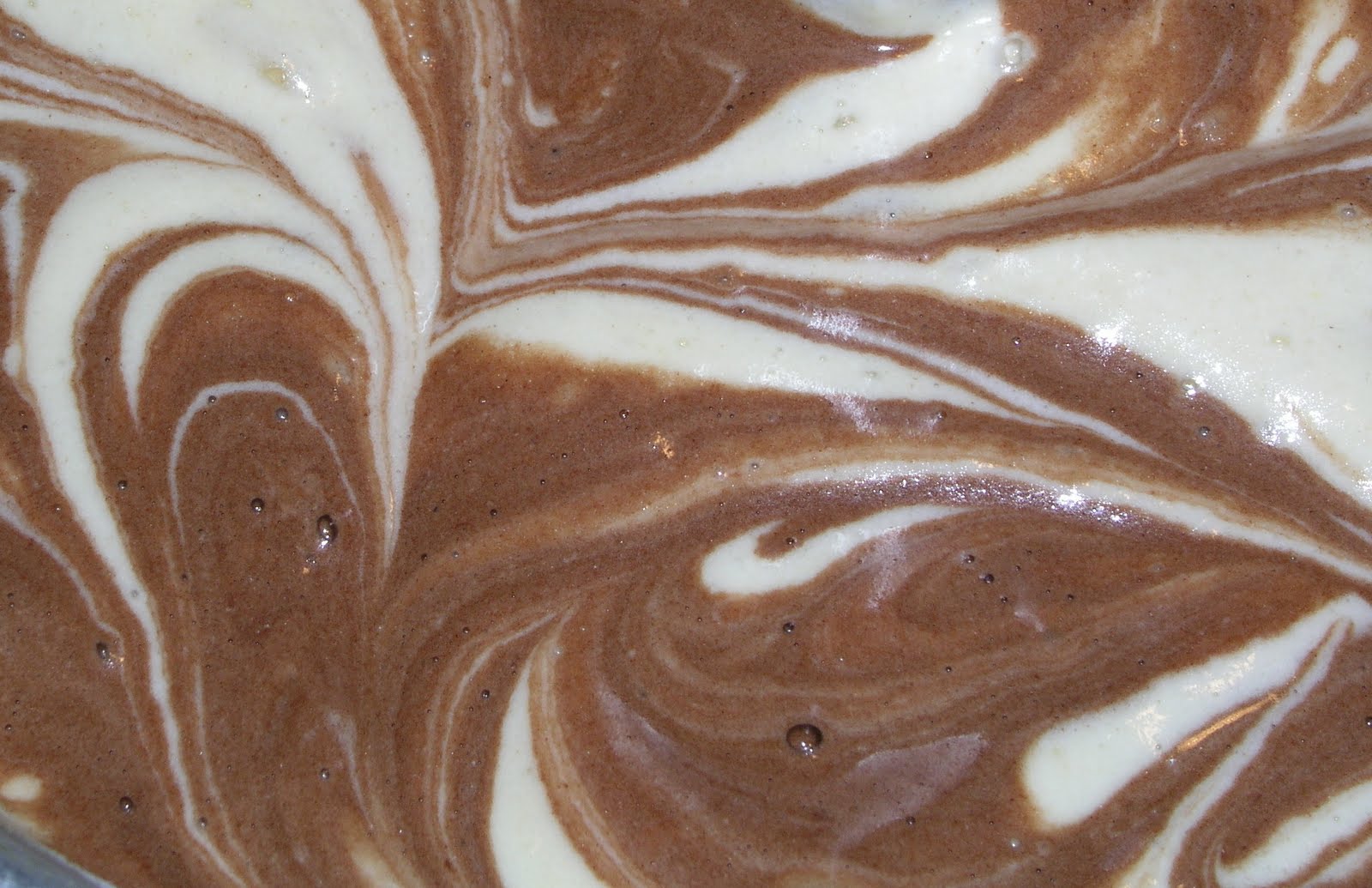
Inspiration depends upon the artist and is what makes art subjective.
As for execution of inspiration: It’s like getting to Carnegie Hall. First, study hard. Then practice, practice practice.
Subscribe to:
Posts (Atom)